
 Inspection Readiness (IR) is a proactive process. It is a process of ‘getting ready’ for an inspection by a regulatory authority (such as FDA), which is conducting an official review of documents, facilities, records, and any other resources that are deemed by the authority to be related to the clinical trial. Continue reading
Category: Biotechnology
Risk Management in Drug Development

Risk Management is the continuous process of identifying, analyzing and responding to risk factors throughout the life of a project. The risk management starts at the beginning of the project and continues throughout the life of the project. At each stage of the project’s life, new risks will be identified, quantified and managed. Proper risk management is proactive rather than reactive and reduces the likelihood of an event occurring and the magnitude of its impact. Reactive risk management is often called as crisis management. The right balance in risk contingency is necessary; too much may make the project uncompetitive; too little contingency increases the chance of failure. Risk management is a responsibility of the project team and is driven by the project manager. In short, risk management is about anticipating uncertain events that are inherent to a project to optimize them for project success. Continue reading
Know the Pharma Basics: Drug Development Plan
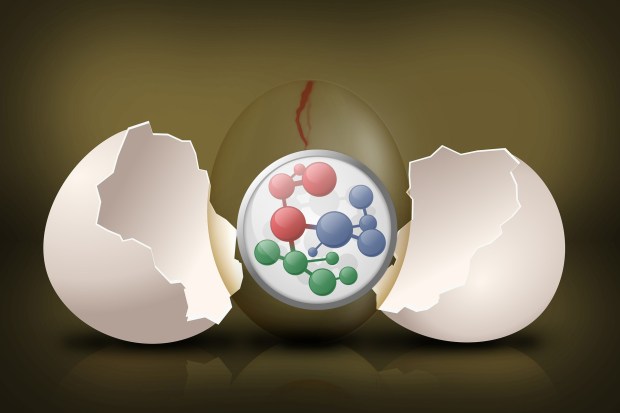
Drug development can be described as the process of obtaining the relevant information necessary to be included on your drug prescribing information. Development Plan (DP) is the strategic document that guides the lifecycle of a new product from the pre-clinical lead compound stage through Lifecycle Management (LCM). LCM starts with the first approval of BLA/NDA (first Marketing Authorization) and encompasses development of new indications. In mature pharma organization, DP is approved by the governance bodies. Once approved, it can be regarded as the agreement between executive leadership/board of directors and the program team involved in the discovery, development & commercialization of the product. The DP is a living document and should be amended when the development strategy changes. Continue reading
How to Metamorphose into Effective Leader
 The quality of leadership within the organization is critical from a business perspective. Yet, according to Gallup’s research, the majority of leaders are not equipped to take on the leadership roles. This status quo hurts not only employees but also decrease the performance of the organizations. Much could be achieved by providing relevant training and development opportunities to the managers and leaders. Many companies though do not invest in leaders’ training and poor management comes at the expense of U.S. economy, costing $398 billion annually. Continue reading
All You Need is a Career Manifesto
 The Internet is crowded with an annoyingly large number of articles on career development. Everyone seems to have their suggestion on how to achieve your biggest career aspirations and ultimate happiness. I realize I am adding another piece to the already full space. Independently, I will share my career development experiences, assuming what has worked for me, can also work for many of you. Continue reading
Drug Prices Issue & Pharma La-La Land

Pharma business is complicated. It is a laborious task to explain it to anybody outside of the industry. Yet, the topic of the drug pricing seems to be relevant to everyone. We all deal with illness at some point in our life, either because we get sick or our family members or friends do. Recently some bad actors in the pharma industry (Turing, Mylan) caused a lot of discussions on the drug pricing and negativity around pharma business. Is that deserved? Continue reading
Know the Pharma Basics: Target Product Profile
 The Target Product Profile provides a structure for the scientific, technical, clinical, and market information, which is the basis for the product development strategy. The Target Product Profile (TPP) is the critical component of the Development Plan (DP), and its existence is necessary to achieve a desired commercial outcome for the particular product. TPP provides all stakeholders with a clear vision of the product objectives and guides for R&D actions and decisions. TPP is a dynamic document that should be reviewed and updated throughout the drug development process. The FDA has also published the guidelines on how to develop a TPP, and the agency encourages its use as a tool to better frame the technical details of the product at advisory meetings. Continue reading
What is Eating Pharma Market Access & Pricing?
 What is the meaning of the pharmaceutical market access? Market access is the process to ensure that all appropriate patients who would benefit, get rapid and maintained access to the brand, at the right price. Continue reading
The Silent Silo – How to Improve Team’s Communication?
 Effective communication builds trust, is critical to the success of any project and represents one of project management’s most important responsibilities. Excellent communication within the project team and between the project manager, team members, and all external stakeholders is essential and is correlated with a high team performance. Continue reading
Diversity of Roles in Pharmaceutical Project Management
 Per definition of PMI (Project Management Institute), project managers across different industries are assigned by the performing organization to achieve the project objectives. This is a challenging, high-profile role with significant responsibility and shifting priorities. It requires flexibility, good judgment, strong leadership and negotiating skills, and a solid knowledge of project management practices. A project manager must be able to understand project detail, but manage from the overall project perspective. As the person responsible for the success of the project, a project manager is in charge of all aspects of the project including, but not limited to: Continue reading
 Red Sneakers Blog